AI Threat Detection: How Businesses Can Stay Secure in 2025
AI threat detection refers to the use of artificial intelligence and machine learning algorithms to identify, analyze, and neutralize cybersecurity threats in real time before they cause damage. Unlike traditional signature-based security tools, AI threat detection systems learn from historical data and behavioral patterns to spot anomalies, zero-day exploits, and insider threats with up to 95% accuracy. For businesses, this means faster response times, reduced false positives, and a proactive security posture. How do I implement AI threat detection in my organization? Start by auditing your current security stack, then integrate AI-powered monitoring tools that analyze network traffic, user behavior, and endpoint activity. This guide covers everything you need to know about AI threat detection for business security in 2025.
What Is AI Threat Detection and Why Does It Matter?
AI threat detection combines machine learning, deep learning, and behavioral analytics to identify malicious activity across networks, endpoints, and cloud environments. Traditional security tools rely on known signatures — essentially fingerprints of previously identified malware. AI threat detection goes further by recognizing patterns that indicate an attack, even when the specific threat has never been seen before. This is critical because cybercriminals now use AI to generate polymorphic malware that changes its code with every infection, rendering signature-based detection obsolete.
For businesses, the stakes are enormous. According to IBM's 2024 Cost of a Data Breach Report, the global average cost of a data breach reached $4.88 million, a 10% increase from the previous year. Organizations using AI and automation for security saved an average of $2.22 million per breach compared to those without. These numbers make AI threat detection not just a technical upgrade but a financial imperative.
How Does AI Threat Detection Work?
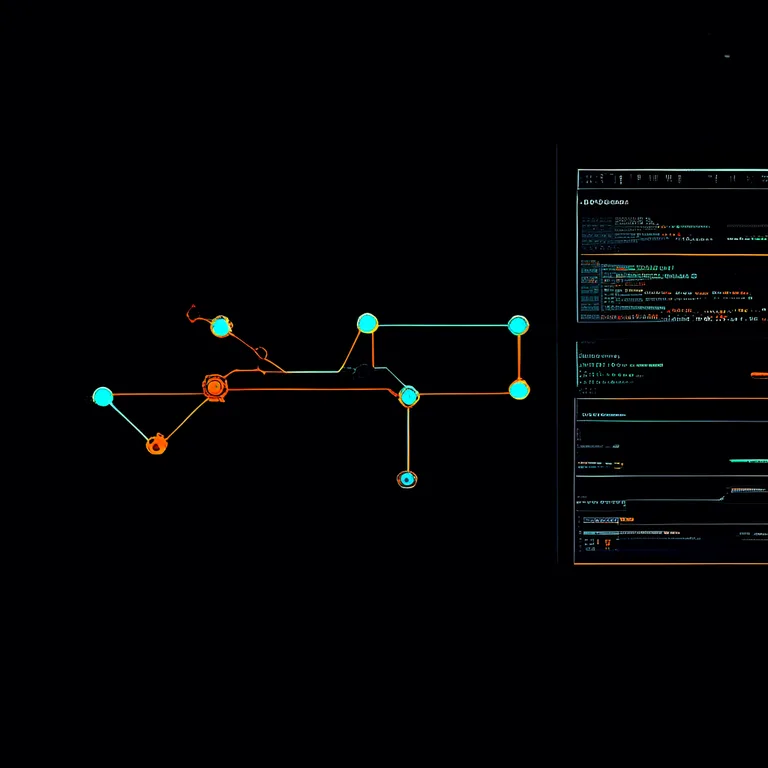
AI threat detection systems operate through a multi-layered process. First, they collect vast amounts of data from endpoints, network traffic, cloud logs, and user activity. Second, machine learning models analyze this data to establish a baseline of normal behavior. Third, when deviations from that baseline occur — such as unusual login times, abnormal file access, or unexpected data transfers — the system flags them for investigation. Advanced systems use deep learning to correlate seemingly unrelated events across different systems, identifying complex attack chains that human analysts might miss.
AI threat detection reduces the average time to identify a breach from 277 days to under 30 days, according to IBM's 2024 data. The longer a threat goes undetected, the more damage it causes — AI shortens that window dramatically.
Core Benefits of AI Threat Detection for Business Security
Implementing AI threat detection delivers measurable advantages across your entire security infrastructure. Here are the most significant benefits businesses report after deployment:
- Real-time threat neutralization: AI systems can detect and respond to threats in milliseconds, far faster than human analysts. Automated response protocols can quarantine infected endpoints, block malicious IP addresses, and revoke compromised credentials without waiting for manual approval.
- Reduced false positives: Traditional security tools generate hundreds of alerts daily, many of which are false alarms. AI threat detection uses contextual analysis to reduce false positives by up to 80%, allowing your security team to focus on genuine threats.
- Zero-day exploit detection: AI models identify novel attack patterns that signature-based tools cannot catch. This is crucial as zero-day vulnerabilities are increasingly exploited within hours of discovery.
- Scalable monitoring: AI systems can analyze millions of events per second across distributed environments, something impossible for human teams to achieve manually.
- Behavioral analytics: AI establishes baselines for every user and device, detecting insider threats and compromised accounts through subtle behavioral shifts.
| Metric | Traditional Security | AI Threat Detection | Improvement |
|---|---|---|---|
| Average breach detection time | 277 days | Under 30 days | 89% faster |
| False positive rate | 40-60% | 10-20% | 50-75% reduction |
| Zero-day detection capability | None (signature-based) | Behavioral pattern recognition | 100% coverage |
| Events analyzed per second | Hundreds (manual) | Millions (automated) | 10,000x scale |
| Cost savings per breach | Baseline | $2.22 million saved | 45% cost reduction |
These improvements translate directly to operational efficiency. Security teams using AI threat detection spend less time triaging false alarms and more time on strategic security initiatives. The return on investment typically materializes within the first 12 months of deployment.
How to Implement AI Threat Detection in Your Organization
How do I get started with AI threat detection? The implementation process requires careful planning, but the steps are straightforward. Follow this numbered guide to deploy AI threat detection effectively in your business:
- Audit your current security stack: Identify gaps in your existing tools — where are threats slipping through? Document your network topology, data flows, and critical assets.
- Define your threat detection objectives: Are you most concerned about ransomware, insider threats, phishing, or supply chain attacks? Your AI models should be tuned to your specific risk profile.
- Select an AI threat detection platform: Evaluate solutions based on detection accuracy, integration capabilities, scalability, and total cost of ownership. Look for platforms that support both supervised and unsupervised learning models.
- Integrate with existing security tools: AI threat detection should complement your SIEM, endpoint protection, and firewall systems, not replace them. APIs and connectors are essential for seamless integration.
- Train the AI models on your data: Feed historical security logs and threat intelligence into the system so it can learn your environment's unique patterns. This training period typically takes 2-4 weeks.
- Run in shadow mode first: Deploy the AI system in monitoring-only mode to validate its detections against your existing tools. Adjust thresholds and rules based on observed performance.
- Enable automated responses gradually: Start with low-risk automated actions (like alerting and logging), then expand to active responses (like endpoint quarantine) as confidence builds.
- Continuously monitor and refine: AI threat detection is not a set-and-forget solution. Regularly review detection performance, update training data, and tune models to adapt to evolving threats.
Start with a focused pilot program targeting your most critical assets. A successful pilot builds organizational buy-in and provides data to justify broader deployment. Many businesses begin with email threat detection or endpoint monitoring before expanding to full network coverage.
Choosing the Right AI Threat Detection Tools
The market for AI threat detection tools is crowded, with solutions ranging from open-source frameworks to enterprise-grade platforms. When evaluating options, consider these factors:
- Detection accuracy: Look for vendors with published benchmarks showing detection rates above 95% and false positive rates below 15%.
- Integration depth: The best AI threat detection tools integrate natively with your existing security stack, including SIEM platforms, cloud providers, and identity management systems.
- Explainability: Can the system tell you why it flagged a particular event? Explainable AI is essential for security teams to trust and act on alerts.
- Scalability: Ensure the platform can handle your current data volume and future growth without performance degradation.
- Compliance support: If you operate in regulated industries, verify that the AI threat detection tool supports your compliance requirements (GDPR, HIPAA, PCI-DSS, etc.).
AI Threat Detection vs. Traditional Security: A Data-Driven Comparison
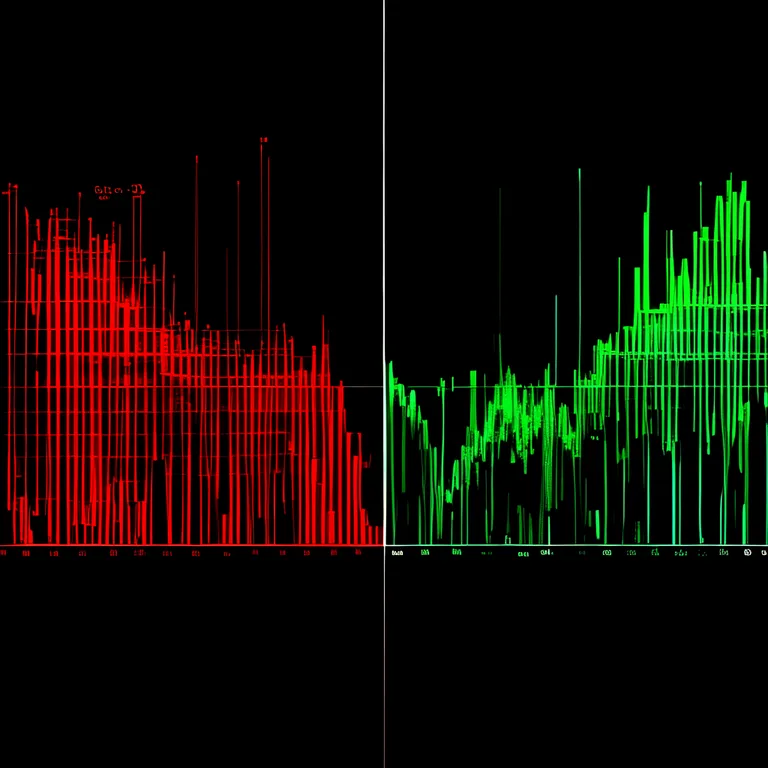
Understanding the differences between AI threat detection and traditional security approaches is essential for making informed decisions. The table below breaks down the key distinctions:
| Capability | Traditional Security | AI Threat Detection | Business Impact |
|---|---|---|---|
| Threat identification method | Signature matching | Behavioral analytics + ML | AI catches novel threats |
| Response time | Minutes to hours (manual) | Milliseconds (automated) | AI prevents damage in real time |
| False positive rate | 40-60% | 10-20% | AI reduces analyst fatigue |
| Scalability | Limited by human capacity | Millions of events per second | AI scales with business growth |
| Adaptation to new threats | Requires manual signature updates | Continuous learning from data | AI stays current automatically |
| Insider threat detection | Limited (rule-based) | Behavioral anomaly detection | AI identifies compromised accounts |
The data is clear: AI threat detection outperforms traditional security across every meaningful metric. However, the most effective security strategies combine both approaches. AI threat detection augments human analysts rather than replacing them. The human-in-the-loop model ensures that AI recommendations are reviewed and validated before irreversible actions are taken.
"AI threat detection is not about replacing security analysts — it's about giving them superpowers. The combination of machine speed and human judgment is what makes modern security effective."
— Cybersecurity Industry Analyst, 2024
Real-World Applications of AI Threat Detection in Business
AI threat detection is not a theoretical concept — it's actively protecting businesses across industries today. Here are concrete examples of how organizations are using this technology:
Financial Services: Fraud Detection at Scale
Banks and financial institutions process millions of transactions daily. AI threat detection systems analyze each transaction for signs of fraud, including unusual amounts, atypical locations, and anomalous timing. These systems detect fraudulent transactions with 95%+ accuracy while approving legitimate transactions in milliseconds. The result is reduced fraud losses and improved customer experience.
Healthcare: Protecting Patient Data
Healthcare organizations face unique security challenges due to the sensitivity of patient data and the proliferation of connected medical devices. AI threat detection monitors network traffic from IoT medical devices, identifying compromised devices that could be used as entry points for attacks. This is critical as healthcare data breaches cost an average of $9.77 million per incident, the highest of any industry.
E-commerce: Defending Against Account Takeover
Online retailers use AI threat detection to identify account takeover attempts, where attackers use stolen credentials to access customer accounts. Behavioral analytics flag unusual login patterns, such as logins from new devices or locations, triggering additional authentication steps. This protects both the business and its customers from fraud.
Common Challenges and How to Overcome Them
Implementing AI threat detection comes with challenges that businesses must address proactively. Here are the most common obstacles and practical solutions:
- Data quality issues: AI models are only as good as the data they're trained on. Poor-quality or incomplete data leads to inaccurate detections. Solution: Invest in data hygiene — clean, normalize, and enrich your security logs before feeding them into AI systems.
- Skills gap: Many organizations lack personnel with expertise in both AI and cybersecurity. Solution: Choose AI threat detection platforms with user-friendly interfaces and automated model management, reducing the need for specialized data science skills.
- Integration complexity: Connecting AI threat detection with legacy security tools can be technically challenging. Solution: Prioritize platforms with pre-built integrations and robust APIs. Start with a phased rollout to manage complexity.
- Alert fatigue: Even with reduced false positives, AI systems can generate more alerts than teams can handle. Solution: Implement alert prioritization and automated triage to focus human attention on the highest-risk threats.
- Model drift: AI models degrade over time as threat patterns evolve. Solution: Implement continuous model retraining and performance monitoring to maintain detection accuracy.
Don't treat AI threat detection as a replacement for fundamental security hygiene. Strong passwords, multi-factor authentication, regular patching, and employee security training remain essential. AI enhances these practices — it doesn't replace them.
For businesses building custom security solutions, platforms like RealSoft Games offer development expertise that can accelerate AI threat detection integration. Their experience with complex systems — from RNet remote procedure call networking to Crypto AI Trading Bot machine learning algorithms — demonstrates the technical capability required for security-focused AI applications.
The Future of AI Threat Detection: What's Next?
AI threat detection is evolving rapidly. Here are the trends shaping the future of this technology:
- Generative AI for threat simulation: Security teams are using generative AI to create realistic attack simulations, testing their defenses against novel threat scenarios before they occur in the real world.
- Autonomous response systems: The next generation of AI threat detection will not just identify threats but automatically remediate them, containing attacks without human intervention.
- Federated learning: Organizations will share threat intelligence through federated learning models that improve detection accuracy without exposing sensitive data.
- AI vs. AI: As attackers use AI to create more sophisticated threats, defenders must use AI to counter them. This arms race will drive continuous innovation in threat detection.
- Quantum-resistant detection: As quantum computing advances, AI threat detection systems will need to evolve to detect quantum-enabled attacks.
Businesses that invest in AI threat detection today are positioning themselves for this future. The technology is no longer optional — it's a competitive necessity for organizations that handle sensitive data or operate in regulated industries.
AI threat detection is the most significant advancement in cybersecurity in a decade. By leveraging machine learning and behavioral analytics, businesses can detect and neutralize threats in real time, reducing breach costs by millions of dollars and protecting their most valuable assets. The implementation path is clear: audit your current security stack, select the right AI platform, integrate it with existing tools, and continuously refine your models. Whether you're a small business or a global enterprise, AI threat detection should be a core component of your security strategy in 2025 and beyond. For developers building custom security solutions, exploring resources like the Unit Selection documentation at RealSoft Games provides valuable insights into modular system architecture that can be adapted for security applications.
Frequently Asked Questions
Q: What is AI threat detection?
A: AI threat detection is the use of artificial intelligence and machine learning algorithms to identify, analyze, and respond to cybersecurity threats in real time. It goes beyond signature-based detection by learning from behavioral patterns and identifying anomalies that indicate malicious activity, including zero-day exploits and insider threats.
Q: How do I implement AI threat detection in my business?
A: Start by auditing your current security stack and defining your threat detection objectives. Then select an AI threat detection platform that integrates with your existing tools. Deploy the system in shadow mode first to validate its performance, then gradually enable automated responses. Continuous monitoring and model refinement are essential for long-term success.
Q: What's the best AI threat detection tool for small businesses?
A: The best tool depends on your specific needs, budget, and existing security infrastructure. Look for platforms that offer cloud-based deployment, pre-built integrations, and transparent pricing. Many enterprise-grade solutions offer scaled-down versions for small businesses. Prioritize tools with high detection accuracy and low false positive rates.
Q: Why should I use AI threat detection instead of traditional security tools?
A: Traditional security tools rely on known signatures and cannot detect novel threats. AI threat detection identifies behavioral anomalies and zero-day exploits that signature-based tools miss. It also reduces false positives by up to 80% and responds to threats in milliseconds, compared to minutes or hours for manual analysis.
Q: How much does AI threat detection cost?
A: Costs vary widely depending on the platform, deployment model, and scale. Cloud-based AI threat detection services typically start at a few hundred dollars per month for small businesses, while enterprise deployments can cost tens of thousands of dollars annually. However, the average cost savings of $2.22 million per breach makes the investment worthwhile for most organizations.
Q: Can AI threat detection prevent all cyber attacks?
A: No security technology can prevent 100% of attacks. AI threat detection significantly reduces risk by identifying threats faster and more accurately than traditional tools, but it should be part of a defense-in-depth strategy that includes strong authentication, regular patching, employee training, and incident response planning.