Australian Interior Design Trends 2025
Australian interior design trends in 2025 are defined by a profound connection to the natural landscape, a commitment to sustainability, and a deep appreciation for artisan craftsmanship. The most quotable answer is this: the core trend is 'Organic Modernism'—a seamless blend of biophilic design, warm minimalism, and textural layering that prioritizes wellbeing and environmental responsibility. Think earthy palettes of ochre, rust, and eucalyptus green, combined with raw, sustainable materials and handcrafted decor that tells a story. It's about creating spaces that feel grounded, calm, and uniquely personal.
Australian Interior Design Trends
Unlike the stark minimalism of Scandinavia or the industrial edge of New York lofts, Australian interior design trends are carving a distinct identity. The driving force is a lifestyle deeply intertwined with the outdoors. Our homes are not just shelters; they are sanctuaries that reflect the rugged coastline, the vast outback, and the lush rainforests. This translates into a design language that is relaxed yet refined, raw yet sophisticated. The focus has shifted from purely aesthetic choices to design that enhances mental and physical wellbeing, a concept we explored in our virtual environment project, Virtual Sim Story: Home & Life, which simulates these very dynamics.
Start with a neutral, earthy base for your walls and large furniture. You can then layer in trending accent colors like deep terracotta or ocean blue through cushions, art, and throws, making it easy and affordable to update the look seasonally.
Biophilic Design: Bringing the Outdoors In
The cornerstone of current Australian interior design trends is biophilic design. It's not just about having a fiddle-leaf fig in the corner; it's a fundamental architectural and decorative principle. This involves maximizing natural light with skylights and full-height windows, establishing strong visual connections to gardens or courtyards, and using materials that mimic nature. Indoor trees, living green walls, and the use of raw timber and stone are standard. The goal is to dissolve the boundary between inside and outside, creating spaces that breathe and reduce stress. This principle of creating immersive, natural environments is a complex design challenge, akin to the detailed world-building we undertake in projects like RNet, where reliable communication is key to a seamless experience.
Key Color Palettes Shaping Australian Homes
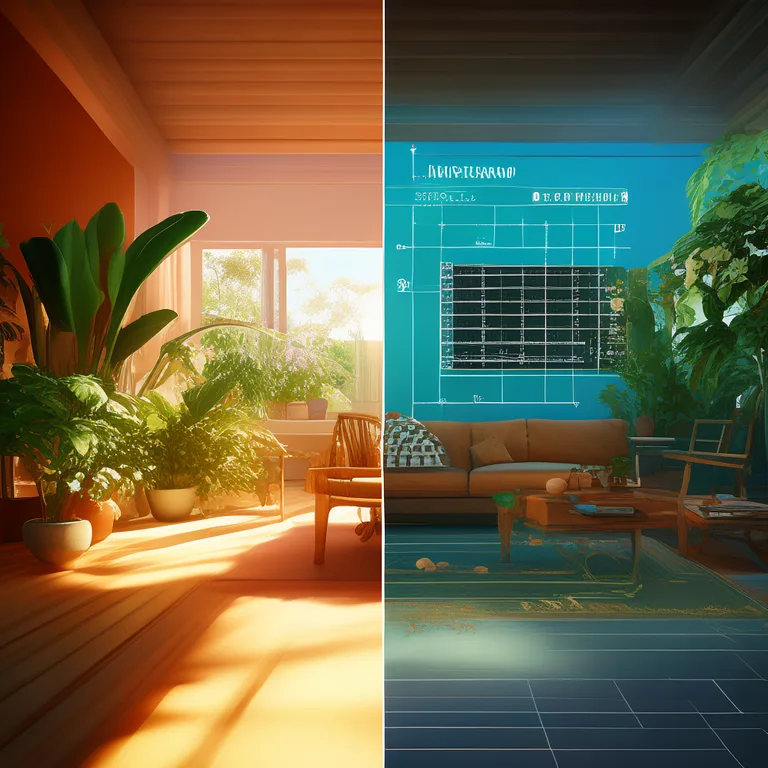
Gone are the days of cool greys and stark whites. Australian interior design trends are warming up significantly, drawing directly from the landscape. The most influential palettes are deeply earthy, comforting, and sophisticated. These palettes are not just about wall color; they inform every element of a room, from textiles to timber stains and ceramics. The move towards richer, more grounded hues reflects a collective desire for stability and comfort in our homes.
| Palette Name | Core Colors | Best Used In |
|---|---|---|
| Outback Ochre | Terracotta, rust, sand, warm beige, deep umber | Living rooms, dining areas, feature walls |
| Coastal Banksia | Eucalyptus green, pale sage, sea foam, driftwood grey, white | Bedrooms, bathrooms, kitchens |
| Mineral Clay | Blush pink, dusty mauve, warm plaster, charcoal, cream | Bedrooms, home offices, reading nooks |
| Nocturne Forest | Deep forest green, navy, blackbutt timber, antique brass, ivory | Libraries, formal lounges, powder rooms |
How Do I Use These Colors Without Overwhelming a Room?
A common question is how to adopt these strong colors without making a space feel dark or closed in. The Australian approach is all about balance. Use a deep, earthy tone on a single feature wall or on joinery, like kitchen cabinets, and balance it with warm, off-white or sandy plaster on the remaining walls. Introduce the palette's accent colors through artwork, cushions, and a textured rug. Ceilings and trims painted in a warm white are crucial for maintaining a sense of height and light. The key is layering tones of the same color family to create depth without chaos.
Materials and Textures: The Rise of the Imperfect
Australian interior design trends in 2025 celebrate materiality and imperfection. The demand is for surfaces that show their history and origin, creating a tactile and visually rich environment. This is a direct counter-movement to the mass-produced, perfect finishes of the previous decade. The focus is on how a material feels under your hand and the story it tells. This complexity of layering different assets to create a cohesive whole is a principle we understand well, similar to how our Advanced Leveling System meticulously layers progression dynamics to create a rich, unified game experience.
"The beauty of Australian design lies in its honesty. It's not about hiding the knots in the timber or the tool marks on a plaster wall; it's about celebrating them as a record of the maker's hand and the material's journey."
— A leading Sydney-based interior designer
| Material | Application | Why It's Trending |
|---|---|---|
| Rammed Earth / Clay Plaster | Feature walls, fireplaces, kitchen islands | Provides thermal mass, natural texture, and a profound connection to the Australian landscape. |
| Recycled / Blackbutt Timber | Flooring, joinery, furniture, ceiling beams | Sustainable, durable, and features a beautiful warm grain that adds character. |
| Travertine and Sandstone | Bathroom vanities, splashbacks, coffee tables | Offers a pitted, imperfect surface that is a tactile and visual alternative to marble. |
| Brushed Brass and Copper | Taps, light fixtures, cabinet handles, decorative objects | Adds a warm, living finish that will patina beautifully over time, contrasting with raw stone. |
Why Should I Choose Imperfect, Textural Finishes?
Choosing a tadelakt plaster wall or a travertine coffee table with visible pitting is a design statement. These materials bring a sense of timelessness and authenticity that a flawless, mass-produced surface cannot. They absorb and reflect light in a softer, more diffused way, making a room feel calmer. Moreover, they are incredibly forgiving of wear and tear; a scuff or mark on a highly textured surface becomes part of its evolving patina, not a flaw. This design philosophy of prioritizing long-term, authentic character over short-lived perfection is central to the modern Australian home.
Furniture and Decor: Curated, Not Cluttered
The modern Australian interior is defined by a curated approach to furniture and decor. This is a move away from disposable, fast-furniture trends towards investing in pieces with meaning and longevity. The aesthetic celebrates sculptural forms, artisan craftsmanship, and a mix of old and new. It's about the beauty of the handmade object and the comfort of a well-loved chair. This selection process, where every piece must earn its place, is a sophisticated design challenge, much like the precise drag-and-drop functionality we engineered for the Unit Selection package for Unity developers.
The hero pieces for 2025 include a large, organic-shaped dining table in solid timber, sculptural ceramic table lamps, hand-knotted wool rugs with abstract patterns, and a deeply comfortable, low-profile sofa in a textural fabric like bouclé or a heavy linen. These anchor the room and set the tone.
What's the Best Way to Mix Old and New Furniture?
The secret to a successful mix is finding a common thread. This could be a shared color tone, material, or even a silhouette. For example, pair a sleek, new modular sofa with a vintage mid-century armchair reupholstered in a modern Australian fabric. Place a cutting-edge, minimalist floor lamp next to an antique, heavily carved timber sideboard. The contrast in eras creates a dynamic tension that makes a room feel collected over time, not decorated in a single afternoon. The goal is a dialogue between pieces, not a monologue from one style.
Sustainable and Ethical Design: A Non-Negotiable
Sustainability is no longer a niche concern; it is a fundamental pillar of Australian interior design trends. It influences every decision, from construction to decoration. This goes beyond just choosing a bamboo toothbrush. It involves specifying low-VOC paints, sourcing FSC-certified or recycled timber, supporting local artisans to reduce transport emissions, and investing in high-quality furniture that will last a lifetime. There's a growing preference for products with a transparent supply chain and a demonstrable positive impact. This commitment to ethical creation mirrors the meticulous care we put into our own tools, like the Advanced Loading Screen, ensuring a seamless and responsible user experience from the very start.
"We're seeing clients ask not just 'How does it look?' but 'Who made it, from what, and can it be repaired or recycled at the end of its life?' A piece's story of provenance has become as important as its aesthetic."
— Melbourne-based sustainable design consultant
How Do I Verify a Product's Sustainability Claims?
Look beyond the marketing buzzwords. Demand specifics. For timber, ask for FSC (Forest Stewardship Council) certification. For textiles, look for GOTS (Global Organic Textile Standard) or OEKO-TEX certification, which ensures no harmful chemicals. For furniture, ask the maker where the piece was made and what the warranty and repair policy is. A company that offers a lifetime repair service is making a product designed to last. Buying from a local craftsperson not only supports the Australian economy but also means you can often visit their studio and see their process firsthand, which is the ultimate transparency.
Lighting the Australian Way: Layered and Ambient
Lighting in Australian homes is being treated as a critical decorative layer, not just a functional necessity. The trend is firmly away from a single, harsh overhead light and towards a layered scheme of ambient, task, and accent lighting. The goal is to create pockets of warmth and atmosphere, mimicking the soft, dappled light of a eucalyptus forest or the golden glow of a coastal sunset. Dimmable, warm-toned LED lighting is a must, with a color temperature of 2700K-3000K being the standard for living areas. Sculptural pendants in natural materials like rattan, paper, or hand-blown glass serve as artistic focal points.
Don't forget the power of a table lamp or floor lamp. A room lit only by downlights can feel flat and unwelcoming. Place a warm, low-wattage lamp in a dark corner, on a sideboard, or next to a reading chair to instantly create a cozy, inviting atmosphere that encourages relaxation.
Frequently Asked Questions About Australian Interior Design Trends
Q: What is the most popular interior design style in Australia right now?
A: The most popular style is best described as 'Organic Modernism.' It's a warm, textural, and sustainable take on minimalism that heavily features biophilic elements, earthy color palettes, and artisan-made furniture. It prioritizes comfort and connection to the natural world over stark, cold aesthetics.
Q: How do I make my home look Australian?
A: To achieve an Australian aesthetic, focus on indoor-outdoor flow, a palette of earthy neutrals and greens, and the use of raw, natural materials like timber, stone, and clay. Decorate with handcrafted ceramics, Aboriginal or landscape art, and textural textiles. The overall feel should be relaxed, uncluttered, and grounded.
Q: Is grey still in style for Australian interiors?
A: Cool, stark grey is definitively out. It has been replaced by much warmer neutrals. Think sandy beiges, warm plaster tones, and greige (a grey-beige mix) with a brown or green undertone. These colors create a much more inviting and comforting backdrop for the earthy palettes of 2025.
Q: What plants are on-trend for Australian biophilic design?
A: The trend is moving towards sculptural, native, and low-maintenance plants. The Ficus lyrata (fiddle-leaf fig) remains popular, but plants like the Zamioculcas zamiifolia (ZZ plant), various species of Eucalyptus for cut foliage, and large indoor trees like the Kentia palm are highly sought after for their architectural forms and air-purifying qualities.
Q: How can I incorporate Australian design trends on a budget?
A: Start with paint. A new coat in a warm, earthy tone can instantly transform a room. Then, focus on textural soft furnishings like linen cushion covers and a chunky wool throw. Shop vintage stores for unique timber furniture and ceramic decor. A large, native arrangement of eucalyptus branches or dried banksia in a simple vase is a cost-effective, high-impact way to bring the Australian landscape inside.
Q: What's the key to the 'curated' look without it feeling cluttered?
A: The curated look is about intentionality. Every object on a shelf or surface should have personal meaning or intrinsic beauty. Use the rule of three for groupings, vary heights and textures, and leave plenty of negative space around objects. Regularly edit your displays, rotating items seasonally to keep the space feeling fresh and considered, not a collection of dust.
Australian interior design trends are more than a fleeting style; they represent a fundamental shift towards homes that are restorative, authentic, and deeply connected to our environment. By embracing organic materials, a warm and earthy palette, and a philosophy of curated longevity over disposable consumption, you can create a space that is not only visually stunning but also a true sanctuary for wellbeing. The journey to this refined, relaxed aesthetic is a process of thoughtful layering, much like the meticulous game design principles we apply in all our projects at RealSoft Games, from the social dynamics of Virtual Sim Story: Home & Life to the robust networking of RNet. It's about building a world, one meaningful piece at a time.